


Introduction
The Middle East is one of the world’s most climatically extreme regions, characterized by scorching temperatures, minimal rainfall, and increasingly severe weather patterns. As global climate change accelerates, the Middle East faces unprecedented environmental and socioeconomic challenges that affect millions of people across the region. This comprehensive guide explores the unique climate characteristics of the Middle East, the impacts of climate change on the region, and potential solutions being implemented to address these pressing issues.
The Middle East Climate: Key Characteristics
The Middle East encompasses diverse climates, ranging from arid deserts to semi-arid regions and coastal areas. However, several defining features characterize the region’s climate:
- Extreme Heat: Summer temperatures regularly exceed 45°C (113°F) in many areas, with some locations recording temperatures above 50°C (122°F). The Persian Gulf region experiences some of the highest temperatures on Earth.
- Low Precipitation: Most of the Middle East receives less than 250mm of annual rainfall, making water scarcity a critical issue. Some desert areas receive virtually no rain for years.
- Seasonal Variation: Winters can be relatively mild in coastal and southern areas, but inland and northern regions experience cold temperatures and occasional snowfall.
- Dust and Sand Storms: Frequent dust storms, particularly during spring and summer, reduce visibility and impact air quality across the region.
- Coastal Humidity: Coastal cities experience high humidity levels combined with extreme heat, creating particularly challenging living conditions.
Climate Change Impacts on the Middle East
The Middle East is particularly vulnerable to climate change impacts, with projections suggesting the region will warm faster than the global average. Key impacts include:
Water Scarcity and Drought: Climate change is exacerbating water stress in the Middle East. Rising temperatures increase evaporation rates from water sources, while changing precipitation patterns reduce rainfall. Countries like Yemen, Syria, and parts of Iraq have experienced severe droughts that have contributed to humanitarian crises and conflict over water resources. The Tigris and Euphrates rivers, vital for millions, are experiencing reduced flows due to upstream dam construction and reduced precipitation.
Agricultural Decline: Agriculture is a cornerstone of many Middle Eastern economies and a primary livelihood for rural populations. Climate change threatens crop yields through increased temperatures, water scarcity, and soil degradation. Traditional farming practices are becoming increasingly unsustainable, forcing farmers to abandon agricultural activities and migrate to urban areas.
Rising Sea Levels and Coastal Erosion: Countries with extensive coastlines, such as the United Arab Emirates, Qatar, and Bahrain, face threats from rising sea levels. This endangers coastal infrastructure, threatens freshwater aquifers with saltwater intrusion, and puts densely populated urban centers at risk. Small island nations in the Persian Gulf are particularly vulnerable.
Health and Heat Stress: Increasing temperatures pose severe health risks, including heat exhaustion, dehydration, and increased mortality among vulnerable populations. Extreme heat also impacts labor productivity, particularly in outdoor industries like construction and agriculture, which are vital to the region’s economy.
Energy Demand: Higher temperatures drive increased demand for air conditioning and cooling, raising energy consumption and greenhouse gas emissions. This creates a vicious cycle where efforts to adapt to heat increase carbon emissions.
Current Solutions and Adaptation Strategies
Despite the challenges, governments and organizations across the Middle East are implementing innovative solutions:
Water Management and Conservation: Many countries are investing in advanced water technologies. Desalination plants are expanding across the Persian Gulf region, though they are energy-intensive and environmentally complex. Water recycling programs, drip irrigation systems, and smart water management technologies are being deployed to maximize efficiency. Saudi Arabia and the UAE are also exploring agricultural innovations like greenhouse farming and vertical farming to reduce water consumption.
Renewable Energy Development: The Middle East, blessed with abundant sunshine, is increasingly turning to solar energy. The United Arab Emirates’ Noor Abu Dhabi solar plant and Saudi Arabia’s Vision 2030 renewable energy initiatives exemplify the region’s shift toward clean energy. Solar power reduces dependence on fossil fuels and helps combat climate change while meeting growing energy demands sustainably.
Urban Planning and Green Infrastructure: Cities across the Middle East are implementing green building standards, expanding public transportation, and creating urban green spaces to improve air quality and reduce heat island effects. Projects like Masdar City in Abu Dhabi demonstrate commitment to sustainable urban development.
Regional Cooperation: Climate change in the Middle East requires cooperation across borders. Countries are working together on shared water resources, environmental monitoring, and climate research. International agreements and regional frameworks help coordinate climate action and adaptation strategies.
Climate Research and Education: Universities and research institutions across the region are advancing climate science knowledge specific to the Middle East. Educational programs raise awareness about climate change impacts and promote sustainable practices among populations.
Conclusion
The Middle East faces a unique set of climate challenges that demand urgent, coordinated action. The region’s extreme heat, water scarcity, and vulnerability to climate change create significant risks for economic stability, food security, and human welfare. However, through innovative technologies like desalination and solar energy, strategic water management, sustainable urban development, and regional cooperation, the Middle East can build climate resilience.
The path forward requires investment in clean energy, water conservation, climate-smart agriculture, and adaptive infrastructure. By embracing these solutions and maintaining commitment to climate action, the Middle East can mitigate the worst impacts of climate change while creating a more sustainable future for its residents.
Learn more about climate initiatives in your region and discover how you can contribute to sustainable practices in the Middle East.
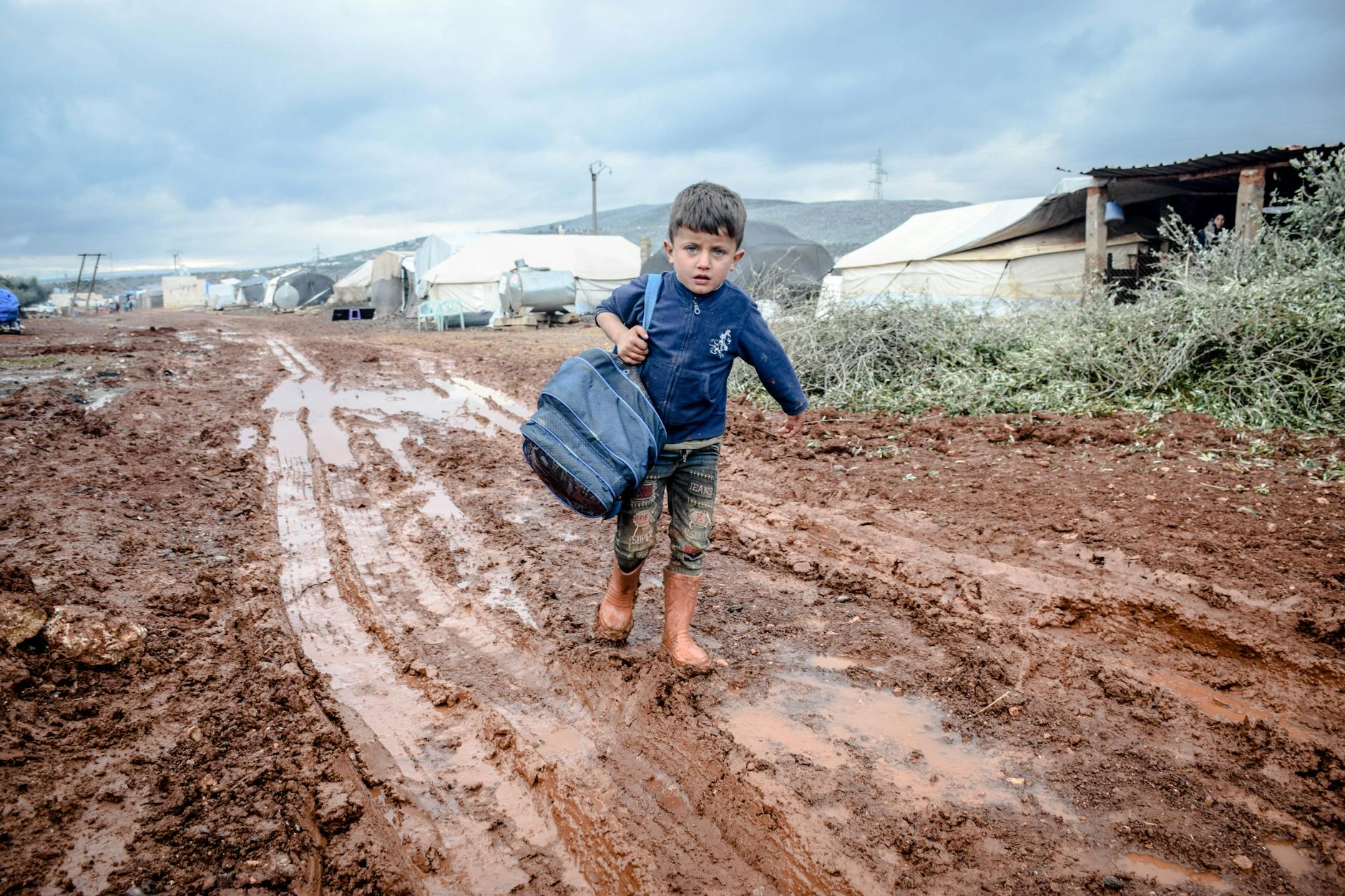
Photo by Ahmed akacha on Pexels